
By Nkiru Ohiri – USA.
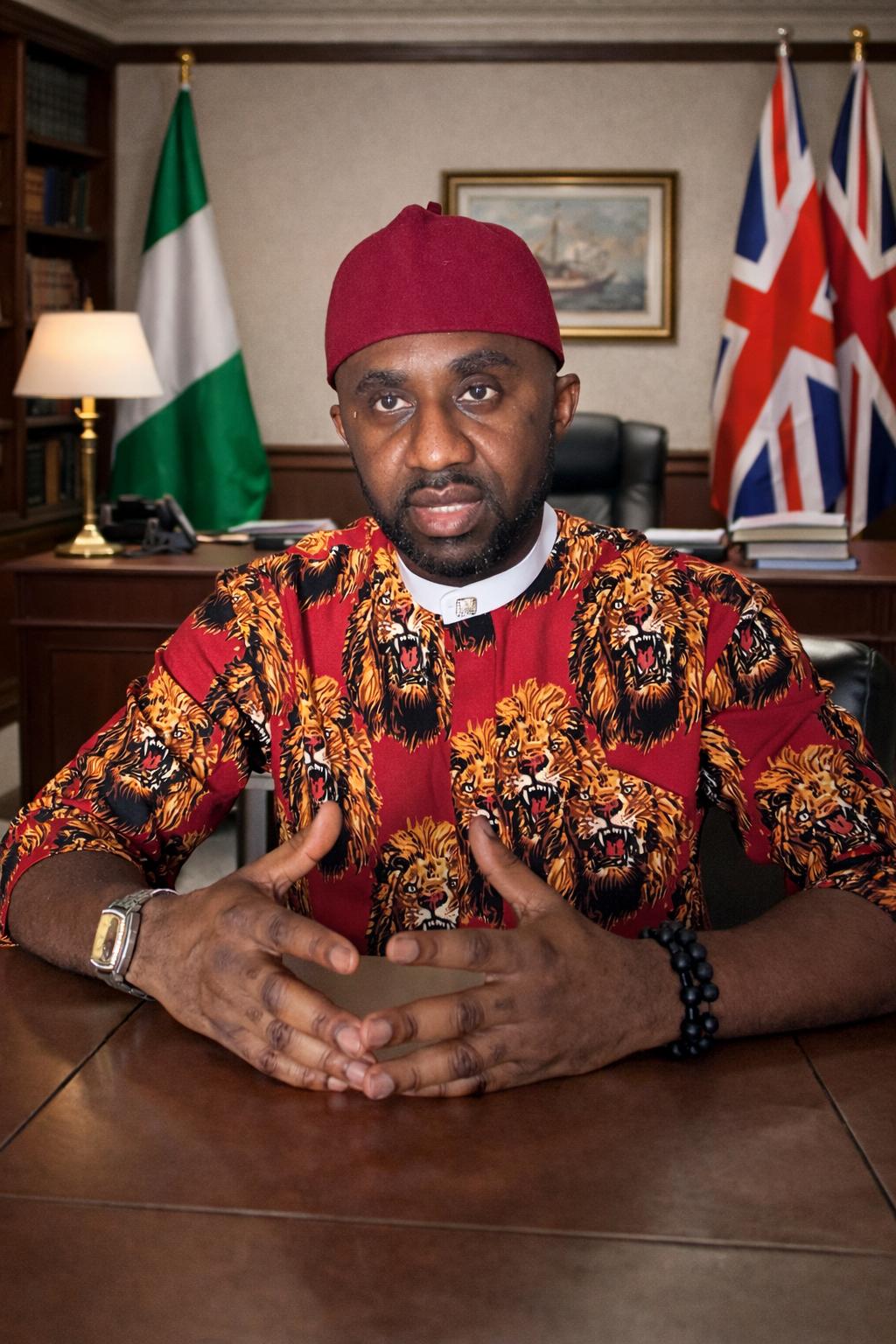
A UK-based community unifier and advocate of inclusion, Hon. Ejike Ikezuagu, has added his voice to the ongoing debate surrounding the “Charter of Equity” being promoted by a few political actors in Imo State. He argued that any genuine conversation about equity must begin with “inclusion” particularly for communities historically left out of the state’s political leadership.
Hon. Ikezuagu questioned whether the “Charter of Equity” should outweigh the realities of regions whose resources sustain the state. He noted that Ohaji/Egbema, the area where Imo state’s oil is extracted, has remained politically marginalised and has never produced a governor since the creation of the state in February 1976.
He described this as a long-standing imbalance that contradicts the very spirit of equity.
According to Hon. Ikezuagu, the people of Ohaji/Egbema deserve more than rhetorical recognition, they deserve practical inclusion the kind that gives communities a genuine sense of belonging in the political structure of the state.
He stressed that inclusion is a responsibility, not merely a slogan, while equity concerns fairness, inclusion reflects whether people feel valued, respected, heard, and able to participate and contribute once involved.
“If the Charter of Equity is truly about fairness, then the people of Ohaji/Egbema must be considered, inclusion must come first. “This is a community that has contributed immensely to the state, but has been left out by successive governments,” he said.
Ikezuagu maintained that giving Ohaji/Egbema the opportunity to govern the state would not only balance the promoted “Charter of Equity” but also correct a historical oversight against a people.
He noted that the people of Ohaji/Egbema have openly expressed their desire to govern the state, and that their demand aligns with democratic principles of participation and representation.
He argued that inclusion of Ohaji/Egbema in the 2027 governorship conversation would strengthen unity, reduce feelings of neglect, and reinforce the idea that every part of Imo State matters.
Hon. Ikezuagu stressed that equity should not be selectively applied or used as a political tool, instead, it must reflect the lived realities of communities across the state.
He stated that any credible interpretation of equity must acknowledge the contributions of Ohaji/Egbema and recognise the need to integrate them fully into the political leadership of Imo State.
As discussions about 2027 continue, Ikezuagu urged political stakeholders to adopt a broader and more inclusive view of equity, one that respects history, acknowledges contributions, and embraces communities that have long been overlooked.
He concluded that inclusion of Ohaji/Egbema is not only fair but necessary for building a more united and representative Imo State.