
By Ejike Ikezuagu – UK.
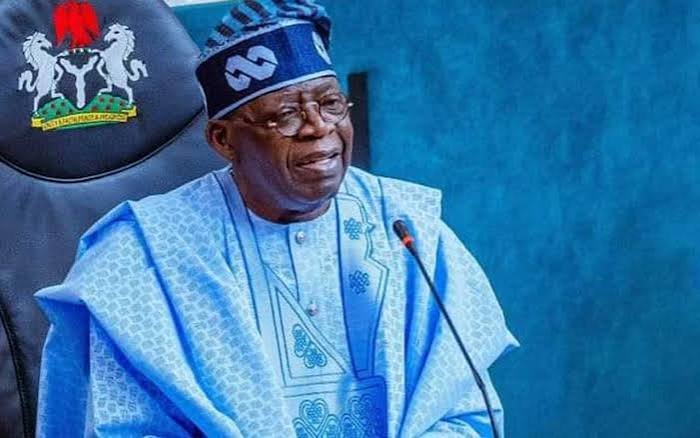
Last September, the Nigerian President, Bola Ahmed Tinubu reaffirmed his support for the growing national demand to decentralise policing in Nigeria, backing calls for the creation of state police as part of broader security reforms.
His position aligns with the views of many Nigerians who believe that a centralised police structure can no longer effectively secure a country of over 220 million people.
OgeneNews reporter, interacting with Nigerians in London, a Nigerian‑UK based officer, Ayo Adewale, welcomed the idea but warned that decentralisation must be accompanied by strong institutional safeguards.
Read this: No Escape Route, Kenneth Okonkwo’s Attempt to Shift Blame Falls Flat, Chris Egbuna.
According to him, “decentralising the police is a good idea, but without strong checks, it could lead to political abuse, intimidation, ethnic bias, corruption and weakened national security.”
Adewale urged the Federal Government to establish an “Independent Police Commission” that would oversee recruitment, promotion, discipline, and operational standards. He stressed that such a body must be insulated from direct control by state governors to prevent the police from becoming “a political tool in the hands of any administration.”
Back home in Nigeria, the National Assembly appears to share similar concerns.
The Senate Leader, Opeyemi Bamidele, stated last Wednesday that lawmakers are already working on constitutional and legal frameworks to ensure that state police cannot be abused by governors.
He noted that decentralisation must come with clear checks and balances that protect citizens, uphold professionalism, and preserve national security.
As Nigeria moves closer to adopting state policing, public debate continues to centre on how to balance local control with national oversight, ensuring that the new system strengthens security rather than creating new vulnerabilities.