
By Ejike Ikezuagu – UK.
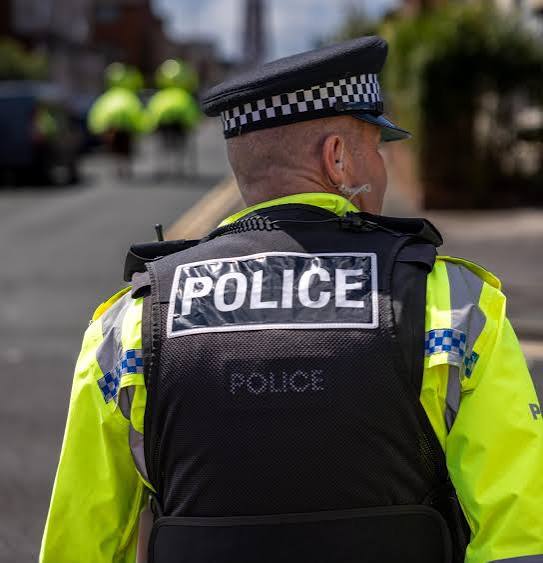
Across London boroughs such as Southwark, Lambeth, Hackney, Lewisham, Newham, Woolwich, and Croydon, Africans, especially young men are stopped far more often than any other demographic group. This pattern has persisted for years, shaping how African communities experience policing, public safety, and belonging in the United Kingdom.
Today, Chief Michael Dike, a respected community leader and advocate for diaspora welfare, is calling on the UK Government to take bold, practical steps to reduce the negative impact of “Stop and Search” on Africans and rebuild trust between police and the communities they serve.
Stop and Search is intended to prevent crime and protect the public, however, for many Africans living in London, it has become a source of fear, humiliation, and alienation. Young African men report being stopped and searched on their way to school, while returning from work, at bus stops and train stations, in shopping centres, even while walking in their own neighbourhoods. This repeated experience creates a sense of being targeted, not protected. https://ogenendigbo.net/politics/uk-migrants-on-edge-as-home-office-power-struggle-deepens/
Chief Michael Dike notes that this pattern has led to a “deep emotional and psychological toll on African youth, who often feel criminalised before they are even given a chance to succeed.”
The consequences of disproportionate Stop and Search go far beyond the moment of police interaction.
Many young Africans begin to see themselves through the lens of suspicion. They internalise the idea that society views them as potential criminals Some youths avoid certain boroughs, parks, or high streets because they fear being stopped. This restricts their freedom and affects their mental health. When young people feel unfairly targeted, they are less likely to cooperate with police, report crimes, or seek help when in danger. Repeated stops can lead to anxiety, anger, and frustration, emotions that affect school performance, relationships, and long-term wellbeing. https://ogenendigbo.net/politics/new-uk-refugee-sponsorship-routes-a-lifeline-for-people-in-danger-worldwide-ikezuagu/
Chief Dike emphasises that “a young person who grows up fearing the police cannot feel fully at home in the country they live in.”African parents, both in the UK and back home in Nigeria live with constant worry, they fear an encounter escalating, their children being misunderstood and sons being labelled or profiled, their daughters being frightened or traumatised. Parents often give their children special instructions, “Don’t argue.” “Stay calm.” “Keep your hands visible.” This is not the experience of belonging that any family hopes for when they migrate to the UK”.
Chief Dike is urging the UK Government to adopt clear, practical reforms that will reduce harm, improve fairness, and strengthen community trust. Police officers should receive training that helps them understand African cultures, communication styles, and community dynamics. This reduces misinterpretation and unnecessary escalation. https://ogenendigbo.net/politics/nhs-access-the-hidden-struggle-facing-migrants-in-the-uk-ajayi/
Boroughs should publish monthly Stop and Search statistics broken down by ethnicity, age, and location, “transparency builds accountability”, he stated. There should be regular meetings between police and African community leaders can help rebuild trust and allow young people to express their concerns directly.
He maintained that government-funded programmes should help African youth build confidence, leadership skills, and positive relationships with law enforcement. Police should be required to demonstrate reasonable grounds before stopping individuals, especially in boroughs with high African populations. Panels made up of community representatives should review Stop and Search cases to ensure fairness and prevent abuse.
Chief Dike said, “Africans are not asking for special treatment, but asking for fair treatment, for dignity, respect, and the chance for our young people to walk freely without fear.” https://ogenendigbo.net/politics/uk-cost-of-living-crisis-why-africans-in-the-uk-are-paying-the-highest-price-expert-warns/
The UK is home to millions of Africans who contribute to the economy, culture, and social fabric of the nation, they deserve to feel safe, respected, and valued. Stop and Search, when used fairly, can be a tool for safety, but when used disproportionately, it becomes a barrier to belonging. “Let us build a United Kingdom where Africans, especially our young ones feel not only safe, but truly at home.”
The issue of Stop and Search is not just a policing matter; it is a human matter, it affects identity, dignity, and the future of African youth in London.
By listening to community voices like Chief Michael Dike and implementing meaningful reforms, the UK Government can create a society where Africans feel protected, not profiled; included, not isolated; respected, not feared, this is the future African communities in London deserve.